Showing posts with label the right to a child. Show all posts

Tuesday, 9 July 2019

IVF 'mix up': US couple say they gave birth to wrong children

h/t The BBC News website

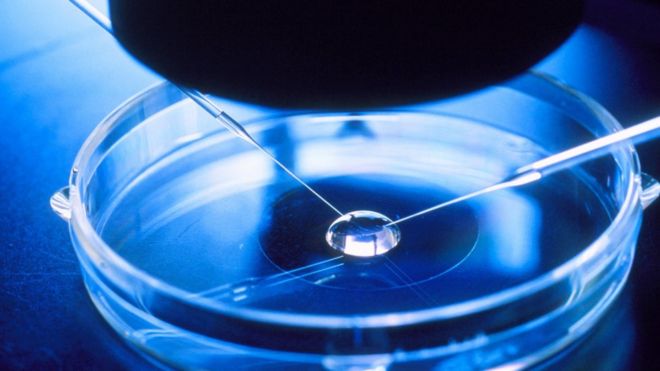
#A photo of the sperm selection process in IVFImage copyrightSCIENCE PHOTO LIBRARY
Image captionThe couple said they turned to IVF after years of trying to have children
An Asian couple who tried to conceive through IVF has claimed that a mix-up at a California fertility clinic left them pregnant with the wrong children.
A lawsuit filed by the couple in New York states that the couple was shocked to give birth to two boys who were not of Asian descent, US media reported.
The lawsuit says DNA tests confirmed the children were not related to the couple and they relinquished custody.
The fertility clinic has not commented on the allegations.
The couple - identified in the lawsuit only as AP and YZ to minimise the "embarrassment and humiliation" - say they tried for years to get pregnant before spending more than $100,000 (£80,000) on the IVF, or in vitro fertilisation, including medication, laboratory fees, travel and other costs.
IVF is the process of fertilising an egg outside of the woman's body, before returning it to the womb to grow and develop.
The lawsuit, filed in the Eastern District of New York last week, accuses CHA Fertility and two men identified as its co-owners and directors of offences including medical malpractice and intentional infliction of emotional distress.
It reportedly notes that after giving birth on 30 March, the couple "was shocked to see that the babies they were told were formed using both of their genetic material did not appear to be".
There were earlier signs that things were amiss when a scan revealed they were expecting boys, despite the fact that the doctors had said they did not use male embryos during the treatment.
Doctors reportedly told the couple that the scan was inaccurate, before they went on to have the baby boys in April. In addition to not being related to the couple, the children were not related to each other, according to the lawsuit.
On its website, CHA Fertility says it delivers the "highest degree of personalized care...with the utmost sense of duty".
The BBC has contacted the company for comment.
Lawyers for the couple told the BBC their clients suffered from "the grossly negligent and reckless conduct of CHA fertility".
"Our goal in filing this lawsuit is to obtain compensation for our clients' losses, as well as to ensure that this tragedy never happens again," the lawyers said.

Sunday, 19 March 2017

Three-parent babies green-lighted in the UK

h/t Bioedge

A genetically engineered baby could be born in the UK before Christmas. The UK government has given a licence to Newcastle University to create three-parent embryos to combat mitochondrial diseases.
The UK’s fertility authority, the Human Fertilisation and Embryology Authority(HFEA), had already announced in December that licences for the controversial procedure were to be granted on a case-by-case basis. It appears that a number of couples have applied for the procedure, so the University will have no trouble in enrolling patients.
Sally Cheshire, chair of the UK’s fertility authority, said: “I can confirm today that the HFEA has approved the first application by Newcastle Fertility at Life for the use of mitochondrial donation to treat patients. This significant decision represents the culmination of many years hard work by researchers, clinical experts, and regulators, who collectively paved the way for Parliament to change the law in  2015 to permit the use of such techniques.
“Patients will now be able to apply individually to the HFEA to undergo mitochondrial donation treatment at Newcastle, which will be life-changing for them, as they seek to avoid passing on serious genetic diseases to future generations.”
Critics described the move as “ethically reckless”. Mark Bhagwandin, of the pro-life charity Life, told the Daily Telegraph:

“We had hoped that the HFEA would have listened to the thousands of people who have expressed concern about three parent embryos. Instead it has ignored the alarm bells and approved a procedure which will alter the human genome. It is at the very least reckless and irresponsible given that we have absolutely no idea what the long term consequences are to us interfering with the human genome.
"Whilst we are deeply sympathetic to the plight of people with mitochondrial related diseases, the end does not always justify the means. Our understandable search for therapies to help overcome illness and disabilities must be done in an ethical way and balanced against the unconditional acceptance of all human beings, whatever differences they may have."

Thursday, 26 May 2016

Woman's bid to use deceased daughter's eggs continues

h/t BBC news website

  • m the sectio
Embryos being placed onto a CryoLeaf ready for instant freezingImage copyrightPA
A 60-year-old woman who wants to use her late daughter's frozen eggs to give birth to her own grandchild is continuing her legal battle.
The woman is appealing against the UK regulator's refusal to allow her to take her only child's eggs to a US clinic to be used with donor sperm.
Her daughter, who died five years ago, was said to have approved of the plan.
The mother lost a High Court case last year but was subsequently granted permission to challenge the decision.
The latest round of the case is being heard at the Court of Appeal in London, before a panel of three judges.

'Natural sympathy'

The UK fertility regulator, the Human Fertilisation and Embryology Authority (HFEA), said, in 2014, the daughter's eggs could not be released from storage in London because she had not given her full written consent before she had died, from bowel cancer at the age of 28.
But, in the latest legal proceedings, lawyers acting for the mother told the judges she wanted to fulfil her daughter's wishes to carry a child created from her frozen eggs and "raise that child".
Jenni Richards QC added the eggs would "simply be allowed to perish" if the court did not rule in her favour.
Meanwhile, Catherine Callaghan, appearing for the HFEA, said in a written argument before the court: "It is natural to feel sympathy for the appellants' loss and for their wish to keep their daughter's memory alive by trying to conceive a child using their daughter's eggs."
But it was not the court's role to decide whether it would have permitted the mother to undergo fertility treatment using her daughter's eggs.
Ms Callaghan added: "Rather its role is to determine whether Mr Justice Ouseley erred in concluding that the HFEA's statutory approvals committee acted lawfully and rationally in exercising its broad discretion to refuse to authorise export of the frozen eggs to a treatment centre in New York for use in the way proposed."

'Required consent'

During earlier High Court proceedings in June 2015, the court was told her daughter was desperate to have children and had asked her mother to "carry my babies".
Lawyers acting for the mother and her 59-year-old husband told Mr Justice Ouseley the daughter would have been "devastated" if she had known her eggs could not be used.
But the judge ruled that the HFEA was entitled to find the daughter had not given "the required consent" and said there had been no breach of the family's human rights.
Although she consented for her eggs to be stored for use after her death, she did not fill in a separate form outlining how she wished them to be used.
He said he was dismissing the case "conscious of the additional distress which this will bring to the claimants, whose aim has been to honour their daughter's dying wish".
It was thought if the case had been successful her mother could have become the first person in the world to become pregnant using a dead daughter's eggs.
In February 2016, when seeking permission to appeal, her lawyers argued there was "clear evidence" of what the daughter wanted to happen to her eggs when she died.

'Prospect of success'

Lord Justice Treacy said the case papers had left him doubtful as to whether there would be "sufficiently strong" reasons to allow the challenge to continue further.
But after hearing submissions in court, he concluded there was "an arguable case with a real prospect of success".

Saturday, 20 February 2016

IVF an “evolutionary experiment” – genetics expert


A leading evolutionary biologist has labelled IVF an “evolutionary experiment” that may have serious effects on children in later life.
Speaking at the American Association for the Advancement of Science annual meeting in Washington DC, Dr Pascal Gagneux of University of California, San Diego said that the long-term effects of IVF are still unclear.
"…We're engaging in an evolutionary experiment ... I would compare it to high fructose corn syrup and fast food in the US. It took 50 years; it was fantastic, you got bigger and healthier, and now the US are the first generation that are shorter and heavier and die younger. But it took 50 years…”
He noted that the oldest IVF child in the world is only 39.

According to Dr Gagneux some possible long-term side-effects are diabetes, high blood pressure and even premature death. He cited a study in which a large group of IVF and naturally conceived children were taken to a high altitude, low oxygen environment that mimicked the effects of ageing.
Heart and artery malfunction was reported "very convincingly" in the assisted reproduction children, including those with brothers and sisters who were conceived naturally, Dr Gagneux said.
A number of IVF specialists have responded to Dr. Gagneux’s remarks, saying he lacked evidence for his bold claims.  Allan Pacey, Professor of Andrology at the University of Sheffield, said: “There is a wealth of epidemiological evidence to suggest that the babies born through IVF technologies are on the whole as healthy as their naturally conceived counterparts.
“Where some differences have been observed, these are largely explained by genetic defects in the sperm of the father rather than the fact that fertilisation and embryo development occurred outside of the body. I don’t share the concerns raised by Dr Gagneux. If we were always led by the precautionary principle, medicine would never make any advances.”

h/t Bioethics

Sunday, 13 September 2015

“I deeply regret IVF is now so commercial”


IVF pioneer Robert Winston recently spoke out against the commercialisation of the IVF industry, saying that desperate UK couples are being exploited and grossly overcharged for treatment. Speaking with The Mirror, Baron Winston castigated the NHS and UK government for failing to stop greedy IVF companies preying on infertile couples:

“Patients’ desperation and some practitioners’ avarice is steadily raising prices.
“More and more infertile couples are being exploited by an increasingly grasping industry that frequently ignores ethical standards…neither the NHS nor the Government does enough to help. It’s not just some doctors who are responsible.”

Baron Winston told of one woman who paid more than £10,000 for one cycle – which should cost as little as £1,000.

Two per cent of babies born in Britain are now conceived via IVF. But Baron Winston, 75, believes more than half of patients involved could benefit from “far cheaper alternatives”.

He cited the case of one woman, 35, who spent £33,600 on seven failed IVF cycles. A £300 X-ray of her womb found uterus scar tissue, which was then removed in a 15-minute op. Five months later she was pregnant without further treatment and also had two more children.

Baron Winston has been a particularly vocal critic of the modern IVF market. He has even written a book, The Essential Fertility Guide, discussing various alternatives to standard IVF treatments.

Tuesday, 24 February 2015

UK approves three parent babies


The UK has now become the first country to approve laws to allow the creation of babies from three people. 
The modified version of IVF has passed its final legislative obstacle after being approved by the House of Lords.
The fertility regulator will now decide how to license the procedure to prevent babies inheriting deadly genetic diseases.  
The first baby could be born as early as 2016.
A large majority of MPs in the House of Commons approved "three-person babies" earlier this month. 
The House of Lords tonight rejected an attempt to block the plan by a majority of 232.
Power packs
Mitochondria are the tiny compartments inside nearly every cell of the body that convert food into useable energy.  
But genetic defects in the mitochondria mean the body has insufficient energy to keep the heart beating or the brain functioning.
The structures are passed down only from the mother and have their own DNA, although it does not alter traits including appearance or personality. 
The technique, developed in Newcastle, uses a modified version of IVF to combine the healthy mitochondria of a donor woman with DNA of the two parents.
It results in babies with 0.1% of their DNA from the second woman and is a permanent change that would echo down through the generations. 
Timeline
■   March to August - The UK fertility regulator will develop and then publish their licensing rules for assessing applications to perform three-person IVF
■   Early Summer - The team in Newcastle publish the final safety experiments demanded by the regulator
■   29 October - Regulations come into force 
■   24 November - Clinics can apply to the regulator for a licence 
■   By the end of 2015 - the first attempt could take place


'Hope'
In the debate, health minister Lord Howe said there was an opportunity to offer "real hope" to families. 
He stated the UK was leading the world and that three safety reviews by experts suggested it would be safe.
Lord Howe told the House: "Families can see that the technology is there to help them and are keen to take it up, they have noted the conclusions of the expert panel.
"It would be cruel and perverse in my opinion, to deny them that opportunity for any longer than absolutely necessary."
Lord Deben, the former government minister John Gummer, countered that there were "real doubts about safety".
He also voiced concerns about whether the creation of such babies would be legal.
"It is quite clear that there is considerable disagreement, let me put it simply like that, about whether this action is legal under European law." 
Baroness Scotland of Asthal, a former Labour attorney general, also questioned the legality asking: "Why the haste? 
"Everyone agrees we have to get this right. If we're going to do something which everyone agrees is novel, different and important internationally we really have to be confident that we are on solid ground. If we are not we give a disservice."
Fertility doctor, Lord Winston, told the House there were comparison with the early days of IVF which was "also a set in the dark".
He added: "I don't believe my Lords, in spite of what we've heard this evening, that this technology threatens the fabric of society in the slightest bit." 

Sally Cheshire, the chairwoman of the Human Fertilisation and Embryology Authority, said: "Britain is the first country in the world to permit this treatment, and it is a testament to the scientific expertise and well-respected regulatory regime that exists across the UK that Parliament has felt able to approve it. 
"The HFEA now have to develop a robust licensing process, which takes into account on a case by case basis the technical and ethical complexities of such treatments to ensure that any children born have the best chance of a healthy life. 
"The HFEA has a long tradition of dealing with medical and scientific breakthroughs, ensuring that IVF techniques, pioneered in the UK and now practised across the world, can be used safely and effectively in fertility treatment."
Prof Alison Murdoch, who was instrumental in developing the technique at Newcastle University, said: "For 10 years we have publically discussed mitochondrial donation to explain how it could help patients whose families are blighted by the consequences of mitochondrial abnormalities. 
"Whilst acknowledging the views of those who have a fundamental objection to our work, Parliament has determined that we should continue. We hope that opponents will accept its democratic decision.
"The science will be reviewed and, if accepted, we hope to be able to submit a treatment application to the HFEA when regulatory policies have been determined."
Objections 'hopeless'
James Lawford Davies, a lawyer from Lawford Davies Denoon which specialises in the life sciences, told the BBC: "All of the legal arguments made in opposition to the regulations are hopeless. 
"The regulations do not breach the Clinical Trials Directive which applies only to medicinal products. 
"The regulations do not breach the EU Charter of Fundamental Rights and Freedoms which prohibit 'eugenic practices' as this is intended to prevent practices such as forced sterilisation and reproductive cloning, not treatments intended to prevent the transmission of disease."
The Catholic and Anglican Churches in England said the idea was not safe or ethical, not least because it involved the destruction of embryos. 
Other groups, including Human Genetics Alert, say the move would open the door to further genetic modification of children in the future - so-called designer babies, genetically modified for beauty, intelligence or to be free of disease.
Estimates suggest 150 couples would be suitable to have babies through the technique each year. 
If the measure goes ahead, the first "three-person" baby could be born next year.

Wednesday, 5 June 2013

The Science of Life - Bioethicist Speaks on Importance of One of Us Campaign

By Elisabetta Pittino
ROME, June 04, 2013 (Zenit.org) - Elisabetta Pittino of the “One of Us” Campaign interviewed Professor Justo Aznar Lucea, Doctor in Medicine from the University of Navarra and Director of the Life Sciences Institute at the Catholic University of Valencia, to learn about the scientific basis of the “One of Us” initiative.
Prof. Aznar was the Head of the Clinical Pathobiology Department of the Hospital Universitario La Fe Valencia, from 1974 until his retirement in June 2006.
He has published 507 research papers, about 300 of those in some of the most relevant scientific publications. He directed 20 doctoral theses and 30 chapters in various books.
He has received several awards including the "Alberto Sols", the "Santiago GrisolΓ­a" and the prize "Health and Society", in his first call, to the best "Career Development" of Valencia issued by the Department of Health of the Government of this region.
He is a member of the Medicine Royal Academy of Valencia.
* * *
Q: Scientifically, when does human life begin?
Prof. Aznar: There is no doubt that human life begins with fertilization of the egg by the sperm. Fertilization initiates the development and activates the division of the zygote sustaining the development of that human being live without interruption (Annex 1).
Q: We can call the embryo "One of Us" ...
Prof. Aznar: After showing, in the previous question, the zygote and the early human embryo, from a biological standpoint, are living beings of our species, there is no difficulty to say that the embryo is "One of Us".
Moreover, in this struggle to defend the life of the human embryo, those who advocate that early human embryo is not a living being of our species, but a conglomeration of cells without any ontological or biological value, will have to demonstrate it is as they say, and it is something that so far nobody has being able to prove.
Q: Why, if science is so simple in showing the very beginning of human life with the conception, has the non scientific concept of a “pre-embryo” introduced and diffused?
Prof/ Aznar: The term “pre-embryo” is a semantic trick introduced by Clifford Grobstein (U.S.) in 1979 and confirmed and disseminated by the Warnock Report in 1984.
Without a doubt, the term pre-embryo is unscientific, and is solely intended to deprive human embryo, from fertilization to implantation consolidation, at about day 14 of life, its living human character, and in this how to manipulate and even destroy it without any moral responsibility. This is the only possible justification for using the term pre-embryo.
Q: What are differences between the embryo before the implantation and the embryo after the implantation? Is there any change in the humanity of the embryo? What is the difference between the embryo, the fetus, and the newborn? Are these differences substantial or not?
Prof. Aznar: There is no scientific evidence to endorse any biological differences between pre and post implanted embryo. From fertilization embryo development is continued, so to say that there are biological differences between before and after implantation is a semantic manipulation, which was proposed in the Warnock Report, expressing human life begins with gestation.. This undoubtedly led to deprive the human embryos of its biological and ontological status to manipulate them without any ethical responsibility. To hold this position is to ignore the biological reality of the human embryo and manipulate language for false purposes.
Q: What do you think about the "One of Us" campaign? Do you think it is right to ask to stop any research that Imply the destruction of human embryos?
Prof. Aznar: Of course the goal of the “One of Us” campaign is not only appropriate, but necessary.. We believe that it is not only positive for its immediate purposes, to promote a legislative initiative to prevent the manipulation and destruction of human embryos in the European Community, but also because the campaign itself is a magnificent instrument to support the defense of human life; it is needed to offer arguments that endorse this initiative when requesting people’s signatures. That is wahy we believe that an important part of this campaign is to properly train those gathering signatures, for them to be able to explain in depth the reasons that supports this request to the people.
Q: Do you think that limiting the research will open new fields?
Prof. Anzar: Certainly, when one initial scientific experience results immoral, and its lack of ethic principles recommend stopping that practice, this can stimulate to find alternatives to achieve the same benefit but ethically.
The main difference between human beings and animals is that the human is a moral being, it means that humans have to answer to the ethical implications of the actions taken, and scientists, as human beings, should respond similarly. Therefore, the negative ethical evaluation of any research activity should lead to stop it, but it also must open the door to other ethically acceptable research solutions.
A paradigmatic example of this are the experiences of Shinya Yamanaka, which led him to get cellular reprogramming and the regeneration of adult stem cells, which is why he was awarded the Noble Prize in Medicine in 2012, since his initial motivation to enter into these experiences were essentially ethical concerns.
Q: Is it right to sacrifice the life of some people to save other people?
Prof. Anzar: According to Kant’s imperative that affirms that human beings by their own dignity can never be used as a means to anything, even good, but always as an end for the actions that affect their own good, we seem to sacrifice embryos to achieve a third human benefit. Thus, it has no ethical justification.
Historically there are many previous experiences that support this claim, but I would refer to as a paradigmatic example made by Nazis with prisoners in concentration camps to experiment medical techniques that could be useful for German soldiers at war.
Q: The research on embryo stem cells, that kill many human embryos, after many years has not given any practical result ... why?
Prof. Anzar: This question is not correct; first we would need to differentiate between experimental and clinical results and essentially observe that on the ethical screen.
Certainly human embryos are a useful material for biological experiments, especially related to the development of human life in its earliest stages. I mean, it is undeniable after years of research with embryonic stem cells these practices are biologically useful, but it happens that these experiences, even though useful, are always unethical.
However, from the therapeutic point of view it is true that only a few clinical trials with embryonic stem cell are underway and that on the contrary there are huge numbers, more than 3000, with adult stem cells for therapeutic purposes.
Q: Adult stem cells: yes to research? Why?
Prof Aznar: Adult stem cells are particularly useful for use in restorative and regenerative medicine, one of the most attractive therapeutic possibilities of this century in which we are.
As previously stated currently numerous clinical trials are using these cells.
Essentially we can say that adult stem cells are the cells used in clinical practice today, because both embryonic stem cells and adult stem cells are much more in an experimental phase.
Q: As a scientist, a doctor, a bioethicist, and as a teacher, do you think that in signing "One of Us", the European Citizens can help science and help Europe to come out from the crisis?
Prof. Anzar: I think that to affirm the signing of "One of Us" can help improve the crisis in Europe. However, that is if you think of the moral crisis, which surely is the foundation of all the crises, including the economic. I believe that in signing this legislative initiative, as scientists, doctors, bioethicists or teachers, may favor an in depth analysis of the moral crisis that exists in Europe, laying the groundwork, along with other actions, allowing us to start a new path to go out of it.
Q: So, would you appeal to your colleagues, to your students, to all the people to sign "One of Us"?
Prof. Anzar: As Director of the Institute of Life Sciences at the Catholic University of Valencia I proposed to the Board of Governors of the University to campaign to collect signatures from teachers and students to "One of Us". This campaign is underway and we have over 1500 signatures collected.

Wednesday, 20 March 2013

Three parent babies - no longer 'playing God'


Britain is likely to become the first country to allow "three-parent babies", according to our  science reporter Nick Collins. The Human Fertilisation and Embryology Authority (HFEA) has recommended that the process – which involves taking a donor's egg and replacing its nucleus with that of the would-be mother, before undergoing IVF – be made legal for people trying to have children.
It's "three parents" only in that the DNA in the child's mitochondria (the little ex-bacteria which live in our cells and provide energy) will come from the donor, rather than the mother. As Nick points out, that makes up around 0.02 per cent of the total DNA in the cell, and is entirely separate from the nuclear DNA. But what's interesting is why the HFEA is recommending it: not only because it's safe, but because after a major consultation, it found that "there is broad support" for the procedure among the public.
I find that interesting because it's another step taken along the "playing God" route. IVF itself and test-tube babies were once thought of as playing God, but they're standard now. Stem cell research was playing God, but has become more accepted. Genetic engineering is still viewed with a bit of the Biblical fear, but steadily it's becoming more widespread.
As I've written plenty of times before, the "powers we dare not mess with" thing is as old as humanity: I dare say the first people who made fire were warned that they shouldn't meddle with things beyond their ken.But as Douglas Adams said and as I've also written before, technologies that are around when you're born are just ordinary; techologies invented before you turn about 35 are revolutionary and exciting; technologies invented after you turn about 35 are unnatural and wrong. Enough people must have been born since genetic modification became a useable technology for the balance to have shifted into the first two categories. Presumably the balance will shift even further in the next few decades, until mitochondrial replacement technologies – and people with "third parents" – are no more remarkable than contact lenses or artificial hips.
The really interesting question is: what's next? Will human cloning start moving from the basket labelled "unacceptable affront to nature" into the one saying "controversial technology"? And from there, one day, to "standard practice"?

Monday, 11 June 2012

Screening breakthrough could lead to eugenics, says pro-life group (ht The Catholic Herald website)

A new breakthrough in foetal screening could lead “down the path of eugenics”, a pro-life group said today. The charity Life said that a “real danger exists” that such genetic testing could lead to wide-scale abortion for disability. The prenatal test, which is able to predict a foetus’s genetic code as early as 18 weeks, will allow unborn babies to be screened for 3,500 genetic disorders. Scientists from the University of Washington believe the test, which raises many ethical questions, will become widely available in the future. Currently more than 2,000 disabled unborn children are aborted every year in Britain, a figure that Life said could increase. Life spokesman Mark Bhagwandin said: “How can it be that in this modern age of equality and non-discrimination thousands of babies are being screened and aborted because they are genetically defective?” Down’s syndrome is currently the only genetic disorder routinely tested for on the NHS. The American scientists say the tests will be a considerable improvement on the existing invasive method of screening. While recognizing “the positive potential that these new tests may bring”, Life said they could be misused. But the tool of genetic screening itself is not a detrimental factor, “it is how it is wielded”, said Mr Bhagwandin. Mr Bhagwandin also said that genetics were not the whole picture. He said: “Human beings are greater than the sum of their genes and science cannot yet measure what makes us truly human – courage, compassion, creativity.” By Francesca Gillett on Friday, 8 June 2012

Thursday, 1 March 2012

Multiple Births: When 'Supply' Exceeds 'Demand'

What's to Come of Treating Children as Commodities?
By Dr. Rebecca Oas
WASHINGTON, D.C., FEB. 29, 2012 (Zenit.org).- In 1934, a French Canadian mother gave birth to five daughters who would become internationally famous as the first recorded set of quintuplets to survive infancy. During their childhood, the Dionne sisters became a popular tourist attraction and went on to appear in several Hollywood movies.
Seventy-five years later, Nadya Suleman, a single mother of six in California, gave birth to octuplets and became infamously known as the "Octomom," following in vitro fertilization (IVF) conducted by a doctor whose license was subsequently revoked. Throughout human history, multiple births have been regarded with interest, sometimes bordering on morbid fascination as we approach and surpass the known limits of human reproductive capability, now with the assistance of novel scientific interventions.
Part of what makes multiple births interesting is their relative rarity. Within the United States, the rate of multiple births compared to total births remained relatively steady at close to 2% from the early 20thcentury to the early 1980s. However, in January, the Centers for Disease Control and Prevention issued a report in which they documented a dramatic increase in twins, triplets, and higher order multiple births in the United States between 1980 and 2009 (1). This reflects an international trend, as studies from other countries such as Canada and Japan reported similar findings (2,3). From a public health standpoint, as multiple births have been associated with a greater risk of prematurity and other resulting complications than single births (4), such a significant increase in twins and other multiples has important implications for health care standards.
Advancing medical technologies in the latter half of the 20th century have greatly reduced the level of infant mortality in general, and notably among multiple births as well. Between 1960 and the early 1980s, mortality rates among triplets and higher order multiples decreased by approximately 50% (5), which signaled that while such children were likely to require special care to survive, their survival was increasingly likely. Nevertheless, given the inherent hazards of being a twin or triplet as opposed to being a singleton, it follows that care must be taken wherever possible to not artificially increase the likelihood of multiple births, given the medical risks to the unborn children, as well as their mothers. To put this in terms of Catholic teaching, as the 1987 instruction Donum Vitae reminds us, the life and integrity of unborn children must be respected and not subjected to disproportionate risks, whether diagnostic or therapeutic (6).
A further matter of concern involves the underlying causes of the reported increase in multiple births in the last three decades. The studies from the United States, Canada, and Japan all cited two hypothesized reasons for the increase: greater maternal age (particularly the increased delay in having one's first child), and the expansion of fertility treatments, both in terms of variety and frequency of use. It is demonstrably clear that women are increasingly postponing childbirth into their 30s, and that the difference in maternal age within the population is causally linked to an increase in the incidence of twins or other multiple births, for reasons independent of medical treatments to increase fertility. However, as an increasing number of international studies show, this factor alone cannot account for the entire rise in multiple births, and there is a strong consensus among the authors of these studies that fertility treatments are a major influence as well. According to the study from Japan, as many as 50% of multiple births in 2004 and 2005 were iatrogenic, or directly resulting from medical intervention (3). The CDC report from the United States estimates that two-thirds of the increase in multiple births can be attributed to assisted reproductive technology (2). Clearly, even as medical advances are improving the outcomes for multifoetal pregnancies, the reproductive industry is making this increasingly necessary.
There is no doubt that reproduction is an industry, and a very lucrative one, at that. The costs of IVF run in the tens of thousands of American dollars for a single attempt, and the woman must receive regular hormone injections and undergo invasive procedures to both retrieve eggs and transfer embryos into her uterus. Given the physical and financial toll exerted by IVF, prospective parents and medical professionals place a great deal of emphasis on achieving a successful birth with as few attempts as possible. Therefore, it is common to transfer more than one embryo at a time, in the hopes that at least one will survive. In the event of the survival of multiple embryos, or if the embryos further divide in a case of identical twinning, the parents are offered the option of a "selective reduction," in which one or more of the foetuses is aborted.
The argument used to support this practice is that the fewer the number of babies, the better the projected outcome for the survivor(s). In other words, even if a mother would be happy to accept twins or triplets, she may be counselled to "reduce" the number of her children for fear that she might be more likely to miscarry and lose the entire pregnancy. Sadly, this barbaric practice is being increasingly recommended not only for higher-order multiples, but also for twins, including those which occur naturally (7). In an opinion piece in Newsweek, a doctor justified his practice of performing reductions by asserting that "lots of lives are at risk" -- yet further admitted that he takes parents' gender preferences into consideration when deciding who lives and who dies (8).
Just as medical advances are being abused to produce children as commodities, they are likewise being abused to destroy those children when the "supply" is perceived as being greater than the "demand." Researchers, medical professionals, and ethicists alike are working to establish standards regarding the number of embryos transferred in IVF, and there is broad condemnation of those who ignore all standards and recklessly endanger patients and their children, such as the doctor responsible for Ms. Suleman's shocking case.
A recent article in the journal Fertility and Sterility reports a novel way to screen unfertilized oocytes (eggs) to determine which would be more likely to produce viable embryos once fertilized (9). This method, if successful, might be used to strengthen the argument for single-embryo transfer in IVF, and since the test is performed prior to fertilization, it might potentially reduce the number of embryos being generated in vitro and subsequently frozen. However, this discovery, as well as all other efforts to "perfect" IVF, are insufficient inasmuch as they fail to address the core problem with the fertility industry: the removal of the procreation of human life from the context of the marital embrace is an affront to the dignity of the couple, and to produce children on-demand as commodities is an affront to their dignity as human beings.
While every child born is cause for celebration, the sharp increase in multiple births is cause for sober reflection since we have identified assisted reproductive technology as a major contributing cause for this increase. On the one hand, medical advances have made it possible for more sets of multiples to be born and survive infancy than ever before in human history. On the other hand, the booming fertility industry and the resulting commodification of children have certainly made its mark on international demographics, as evidenced by these recent reports. As faithful Catholics, we must continue to educate our culture about the arguments against IVF, even as we welcome the children conceived both naturally and through the use of assisted reproductive technology -- whether they come alone or in groups of two or more.
* * *
Rebecca Oas, Ph.D., is a Fellow of HLI America, an educational initiative of Human Life International. Dr. Oas is a postdoctoral fellow in genetics and molecular biology at Emory University. She writes for HLI America's Truth and Charity Forum.
--- --- ---
1) Martin, JA; Hamilton, BE; and Osterman, MJK. Three Decades of Twin Births in the United States, 1980–2009 http://www.cdc.gov/nchs/data/databriefs/db80.htm
2) Cook, JL; Collins, J; Buckett, W; Racowsky, C; Hughes, E; Jarvi, K. Assisted Reproductive Technology-Related Multiple Births: Canada in an International Context. www.jogc.com/abstracts/full/201102_HealthPolicy_1.pdf
3) Ooki, S. Effect of Maternal Age and Fertility Treatment on the Increase in Multiple Births in Japan: Vital Statistics, 1974–2009. Journal of Epidemiology. http://www.jstage.jst.go.jp/article/jea/21/6/21_507/_article
4) Alexander, GR; Kogan, M; Martin, J; Papiernik, E. What Are the Fetal Growth Patterns of Singletons, Twins, and Triplets in the United States? Clinical Obstetrics and Gynecology. Issue: Volume 41(1), March 1998, pp 115-125
5) Kiely, JL; Kleinman, JC; Kiely, M. Triplets and higher-order multiple births. Time trends and infant mortality. American Journal of Diseases of Children. 1992 Jul;146(7):862-8.
6) Sacred Congregation for the Doctrine of the Faith. Instruction on Respect for Human Life in Its Origin and on the Dignity of Procreation (Donum Vitae), 1987.
7) Antsaklis, A and Anastasakis, E. Selective reduction in twins and multiple pregnancies. Journal of Perinatal Medicine, Vol. 39, 2011.
8) Evans, MI. The Truth About Multiple Births. Newsweek; 3/2/2009, Vol. 153 Issue 9.
9) Swann K, Windsor S, Campbell K, Elgmati K, Nomikos M, Zernicka-Goetz M, Amso N, Lai FA, Thomas A, Graham C. Phospholipase C-ΞΆ-induced Ca(2+) oscillations cause coincident cytoplasmic movements in human oocytes that failed to fertilize after intracytoplasmic sperm injection. Fertility and Sterility. 2012 Jan 2.
Tuesday, 28 February 2012

Pope Encourages Scientists in Efforts to Solve Infertility


But Says Vocation to Marriage Isn't Frustrated When Conception Is Impossible
By Kathleen Naab
VATICAN CITY, FEB. 27, 2012.- The scientifically best approach to infertility, and also the one most respectful of the persons involved, is a pursuit of diagnosis and therapy, says Benedict XVI.

The Pope affirmed this Saturday when he received some 200 members of the Pontifical Academy for Life, convened for their 18th general assembly, which was on the topic of infertility.

"The pursuit of a diagnosis and of a therapy represents the most scientifically correct approach to the question of infertility, but also that which is most respectful of the integral humanity of the subjects involved," the Holy Father said. "In fact, the union of the man and woman in that community of life that is matrimony constitutes the only dignified 'place' in which a new human being, which is always a gift, may be called into existence."

The Pontiff said he encourages "intellectual honesty," which is "the expression of a science that keeps the spirit of the pursuit of truth alive, in the service of man's authentic good, and that avoids the danger of being a merely functional practice. The human and Christian dignity of procreation, in fact, does not consist in a 'product,' but in its connection with the conjugal act, the expression of the love of the husband and wife, of their union that is not only biological but also spiritual."

Vocation to love

Benedict XVI acknowledged that science cannot find a remedy for every cause of infertility.

He affirmed the Church's attention to infertile couples and its support of medical research.

"The science, nevertheless, is not always able to respond to the desires of many couples," he said. "I would like again to remind the spouses who experience infertility that their vocation to marriage is not frustrated because of this. The husband and wife, because of their baptismal and matrimonial vocations themselves, are always called to work together with God in creating a new humanity. The vocation to love, in fact, is a vocation to the gift of self and this is a possibility that cannot be impeded by any organic condition. Therefore, where science cannot find an answer, the answer that brings light comes from Christ."